AI Summary
In the AI search environment, traditional SEO-centered traffic strategies are facing limitations along with the increase of zero-click searches. Accordingly, GEO emerges as a core strategy aimed at having brands directly referenced and remembered within AI responses. Ultimately, the benchmark for marketing is shifting from exposure to a structure where AI selects and repeatedly mentions content.
Search engine optimization (SEO), long considered the holy grail of digital marketing, faces a fundamental crisis. While appearing at the top of Google's search results page once equated to success, the advent of the AI era is fundamentally reshaping the search paradigm itself. An era is unfolding before our eyes where search results are no longer dominated by lists of blue links, but by answers directly generated and summarized by AI. Following Google search ads (Google Ads) in the 2000s, Facebook's targeted ads in the 2010s, and Instagram and TikTok short-form ads in 2022-2023, LLM and GEO/AEO strategies—which guide how a brand's content is absorbed and referenced by the model—are taking center stage in 2025. In this new world where AI becomes the first gateway to commerce and search, marketers face a single, critical question: “Does the AI model remember our brand?”
Signs of this shift are already becoming reality. Apple's recent announcement to integrate AI-native search engines like Perplexity into its Safari web browser clearly demonstrates that Google's dominant position in the search market can no longer be taken for granted. In fact, AI Overviews appear in about 47% of Google searches, with 58.5% ending without a click , starkly revealing the limitations of traditional SEO strategies. Users are now beginning to prefer the instant answers provided by AI, without necessarily needing to visit a website. This is dealing a fatal blow to traditional SEO strategies that targeted website traffic and conversions.
So how do we survive this massive wave of change? The era of SEO based on ‘page ranking’ is fading, giving way to a new paradigm centered on ‘language models’. This is the era of Generative Engine Optimization (GEO) . GEO is a strategy that optimizes websites and content to align with how AI models understand and generate content, going beyond simply increasing keyword density or building backlinks. This guide delves deeply into everything about Generative Engine Optimization (GEO) —the new marketing survival strategy born with the end of search in the AI era. If you want to secure your business's future in this changing search landscape, this article will provide clear insights and practical strategies for the coming era. Prepare now to adapt to the new search paradigm and gain a competitive edge.
The Paradigm Shift: Why Move from SEO to GEO?
As mentioned in the previous ‘Introduction’ section, GEO (or AEO, Answer Engine Optimization) goes beyond focusing solely on improving webpage rankings (SEO). The core goal of GEO is to optimize ‘entities’ like brands, products, and services to increase their direct mention rate within AI-generated results, specifically Reference Rate . This paradigm shift stems from fundamental changes in user behavior driven by the rise of AI search, making the transition from SEO to GEO not an option but a necessity.
Zero-Click Search is intensifying: Users increasingly obtain answers directly from search results pages without visiting websites. One study found AI Overviews appear in approximately 47% of Google search results, with 58.5% of these sessions ending without a click. This clearly demonstrates users no longer rely on clicking websites for information, finding satisfaction in the immediate answers provided by AI. Therefore, businesses must adjust their strategies beyond website traffic to ensure their information is directly exposed within AI responses. Reference: Contentful
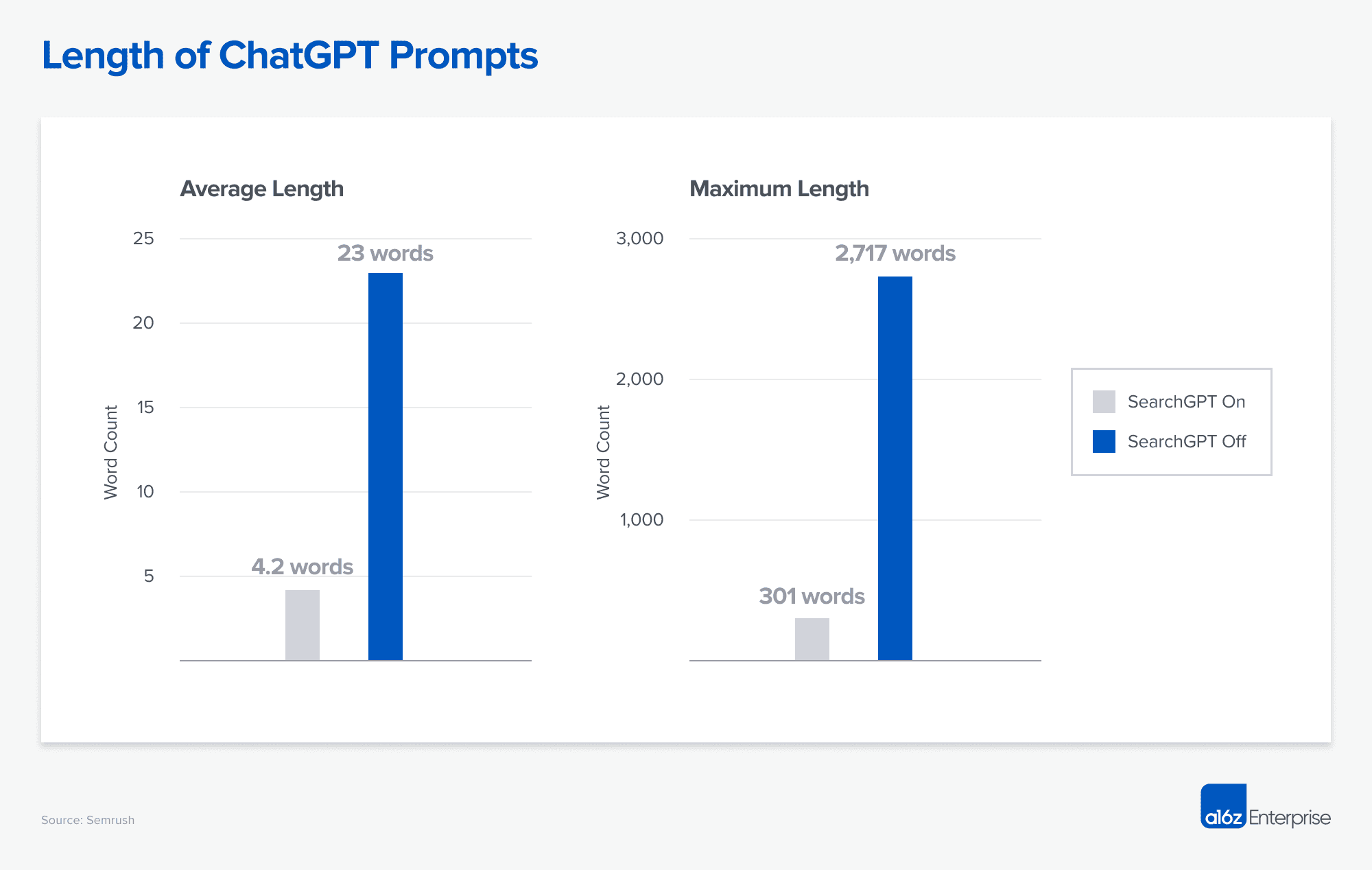
Evolution of Search Queries: Searches, once centered on single keywords, are now evolving into long, specific sentence-like questions resembling conversations with AI. For example, users are asking AI highly detailed questions like “Best running shoes for flat feet in 2024” instead of just “running shoes.” This shift demands that AI more accurately discern user intent to provide optimal answers, meaning corporate content must also be structured to be ‘AI-friendly’ and directly address such specific queries. Reference: Linknow
Qualitative Shift in Traffic: While total click counts may decrease, the value of users arriving at websites via AI recommendations is actually increasing. Users who visit a website for further exploration after gaining information from AI-provided answers already possess a high level of intent and interest. Actual case studies show that users arriving via AI recommendations tend to stay longer on the site, engage more deeply, and contribute significantly more to achieving key goals like purchase conversions. This indicates that securing high-quality traffic through AI has become far more important than merely increasing quantitative traffic. Reference: Arc Intermedia
GEO Core Strategy: How to Be ‘Remembered’ and ‘Cited’ by AI
A. Technical Optimization: Creating ‘Machine-Friendly Content’
Utilizing Structured Data (Schema Markup): Using schema markup like JSON-LD defines your content's meaning, enhancing AI comprehension. This helps AI more accurately grasp and analyze webpage information. Reference
Utilizing FAQ and Q&A Formats: Organizing clear answers to user questions in an FAQ format is an effective method that helps AI quickly and accurately extract responses to specific queries. Reference
llms.txt: A New Guide for AI: If SEO's robots.txt ‘controls’ crawler access, llms.txt acts like a ‘treasure map’ that ‘guides’ AI models on what content is important and trustworthy. It provides a shortcut to the content AI should reference. Reference
B. Enhancing Content and Authority
AI favors credible sources. Therefore, it is crucial to create high-quality content based on E-E-A-T (Experience, Expertise, Authoritativeness, Trustworthiness). You must establish your content's authority through expert citations, statistics, and clear source attribution. Reference Additionally, using conversational language and concise sentences helps AI better understand human speech. Reference
Let's examine the importance of GEO through real-world application examples.
According to a16z, Canada Goose utilized GEO tools to track how and how often LLMs spontaneously mention their brand, establishing this as a new metric for measuring brand awareness. This demonstrates an effective strategy for securing brand visibility in the AI era. Reference
Essential Tools for GEO Implementation
Here are specialized tools to effectively execute and measure the performance of the GEO strategies outlined earlier. The following content is divided into two groups: ‘Next-Generation GEO Specialized Platforms’ and ‘Evolution of Established SEO Powerhouses’.
A. Next-Generation GEO Specialized Platforms
Chainshift
Chainshift is an enterprise-grade solution that tracks brand exposure across major AI platforms like ChatGPT and Google AI Overviews. It has conducted Proof of Concept (PoC) with large corporations such as Amorepacific and Dalba, and has also participated in GEO projects for HSAD and KEARNEY.
Core Features: ‘AI Visibility’, ‘AI Response Source Exploration’, ‘AI Visibility Improvement Content System’ and other powerful analytics capabilities.
Key Clients: Amorepacific, Dalba, HSAD, KEARNEY
Pricing Information: Currently operating in private beta, offering customized packages per company.
Goodie AI
Goodie AI is a platform focused on AI-native workflows, identifying content gaps and supporting content creation for AI attribution. Ideal for small businesses and startups.
Key Features: Identifies content gaps and assists in creating AI-cited content through AI-native workflows
Pricing Information: Currently operating in private beta, offering customized packages per enterprise.
Daydream
Daydream is a tool that excels at integrating traditional SEO and GEO, and mass-generating hundreds of customized articles automatically through data-driven templates.
Key Features: Mass automated generation of hundreds of customized articles using data-driven templates
Pricing Information: Private
Conclusion: In the AI Era, Those Who Act Dominate the Market
The shift to AI search is an unavoidable, massive trend. This is not merely a passing change, but a monumental paradigm shift directly impacting corporate survival and growth. It is both a crisis and, for companies that adapt and innovate swiftly, an unprecedented door opening to new opportunities.
Now, beyond merely achieving high search engine rankings (SEO), being ‘selected’ and ‘cited (GEO)’ by AI has become the core factor determining a brand's survival and prosperity. Brands must provide valuable information to both machines and humans, securing a unique presence within the AI ecosystem. Right now is the time for your brand to establish and execute a GEO strategy to become a true winner in the AI era.
Chainshift Chris © 2025 ChainShift. All rights reserved. Unauthorized reproduction and redistribution prohibited.
In a world where AI becomes the gateway to commerce and information discovery, the question for marketers is: Will your brand be remembered by the model?